Call our Alabama Uncontested Divorce Attorneys today at (205) 201-1789

The Harris Firm LLC prepares the complete Marital Settlement Agreement for flat-fee uncontested divorces in every Alabama county, from offices in Birmingham, Chelsea, Huntsville, and Montgomery. Phone consultations for uncontested divorce are free; in-person consultations are $100.
In short: An Alabama uncontested divorce requires agreement on everything the decree will decide: how property and debts are divided, who keeps the home and vehicles, how retirement accounts are handled, whether either spouse pays alimony, and, for parents, custody, the visitation schedule, and child support. One open item makes the case contested.
What you do not have to agree on: Whose fault it is. Alabama uncontested divorces are filed on no-fault grounds, so nobody admits wrongdoing and the reasons the marriage ended stay out of the paperwork entirely.
The Alabama framework: Property is divided by agreement under the equitable distribution principles of Alabama Code § 30-2-51. Child support follows Rule 32 of the Alabama Rules of Judicial Administration, and the judge must find any custody terms serve the children’s best interests before signing.
The biggest mistake: Treating “we agree on most of it” as good enough. Almost is not enough for the court, but it is usually enough to finish the job. Isolate the one or two open items, close them, and the flat fee is back on the table.
Explore the Rest of the Uncontested Divorce Process
Cost and Flat FeesWhat the agreed case costs, and what a contested one costs.Cost →
Divorce With ChildrenCustody, visitation, and child support in an agreed divorce.With Children →
MediationWhen one item will not close on its own.Mediation →
Every Term Your Settlement Agreement Has to Answer
Your Marital Settlement Agreement is the contract that becomes your divorce decree, and it has to answer every question below. Read through them with your spouse. Where you already agree, you are done with that item. Where you have not discussed something, that is your homework before the free consultation.
The Marital Home
Who keeps it, or is it sold? If one spouse keeps it, will the mortgage be refinanced into that spouse’s name, and does the other spouse sign a deed? If it sells, how are the proceeds split? A quit claim deed to transfer the house is a separate $750 flat fee.
Vehicles and Titles
Who keeps each car, truck, boat, or trailer, and who is responsible for the loan on each one. Alabama titles are transferred with a signed title and the state’s MVT 5-1 form, so decide this before the paperwork is drafted.
Bank Accounts and Personal Property
How checking, savings, and cash are divided. Furniture, electronics, tools, and household items are usually divided informally, but anything either of you actually cares about should be named in the agreement.
Retirement Accounts
Does each spouse keep their own 401(k), pension, or IRA, or is a portion being divided? Dividing a 401(k) or pension requires a separate court order called a QDRO, at a separate fee, so decide this one early.
Debts
Who pays each credit card, loan, and medical bill. Debts in joint names need special attention, because the divorce decree binds the two of you but not the lender. If your spouse stops paying a joint card, the bank still comes to you.
Alimony
Will either spouse pay support to the other? Most uncontested divorces waive alimony both ways. If support is part of your deal, the amount, how often, and how long must all be written down.
Custody and Visitation (Minor Children)
Legal and physical custody, the regular weekly schedule, holidays, summer, and how exchanges work. A clear schedule now prevents arguments later, and the judge will want to see one.
Child Support and Insurance (Minor Children)
Support under Alabama’s Rule 32 guidelines, who carries the children’s health insurance, how uncovered medical costs are split, and who claims the children on taxes. Our child support calculator gives you the guideline number before you call.
A few smaller items round out the agreement, and we raise them with every client: whether a spouse wants a former name restored (free to include in the decree, and far easier now than later), how tax filing for the current year is handled, and anything specific like pets or family heirlooms either of you wants written down.
Agreement Means Signatures, Not Happiness
Agreement means both spouses will sign the same written terms. They do not have to sign in the same place or even the same state; an out-of-state spouse signs before a notary where they live. It does not mean you agree happily, that you both wanted the divorce, or that the conversation was pleasant. Plenty of our uncontested divorce clients reached their agreement through gritted teeth, and the decree works exactly the same.
What the process cannot absorb is an unresolved issue. One open question, one refusal to sign, and the case is contested, with a retainer starting at $4,000 and court hearings replacing the flat fee. That line is why this checklist earns its own page. The difference between an uncontested divorce and a contested one is routinely a single unfinished conversation.
If one item will not close, a session with a neutral mediator often finishes the job for a fraction of contested cost, and converts the case right back to the flat fee.
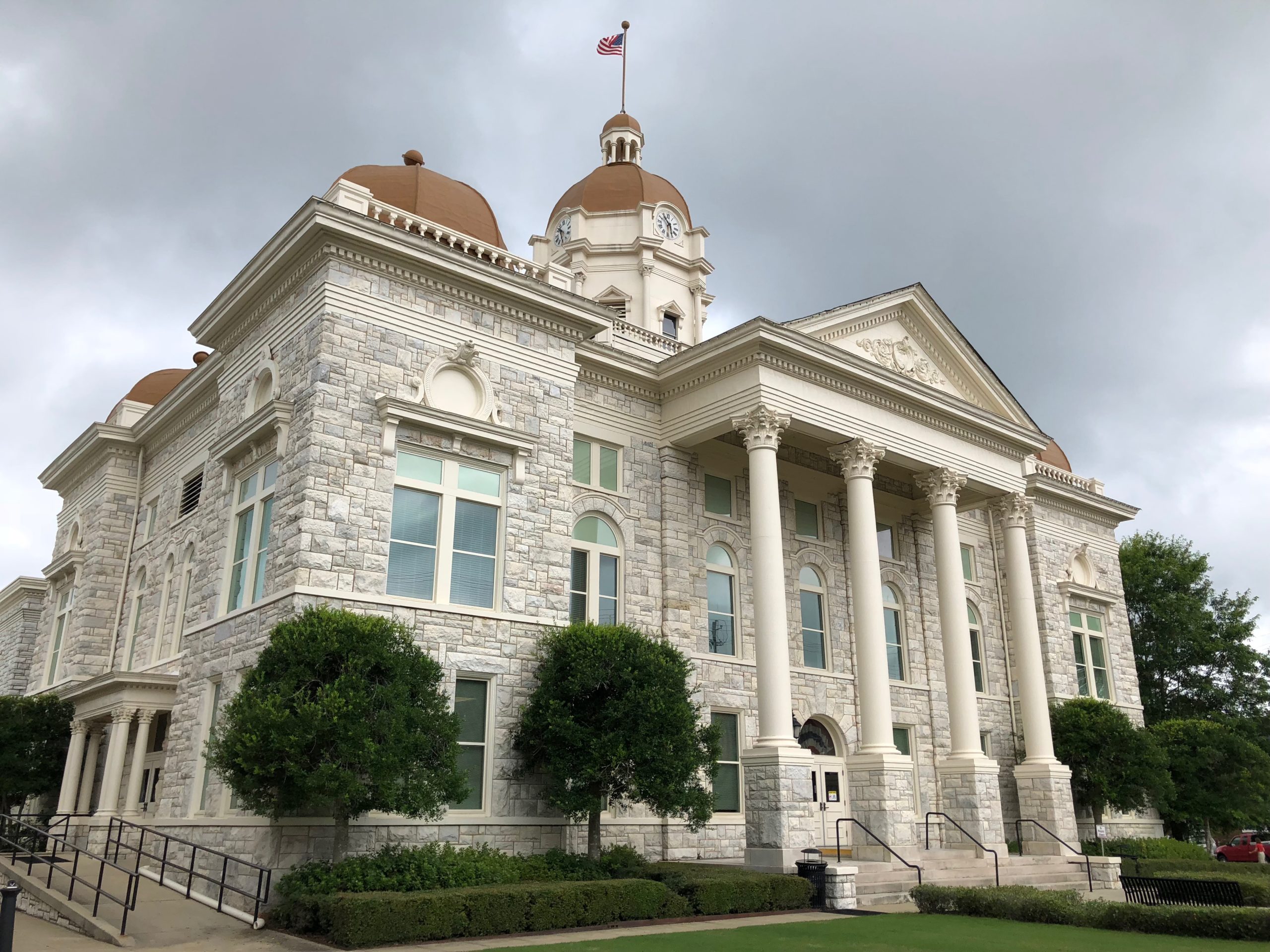
The Shelby County Courthouse in Columbiana. When the agreement is complete, the judge reviews the file and signs. Neither spouse appears in the typical uncontested case.
What the Court Accepts, and What It Looks At Twice
Every settlement agreement is reviewed by the judge before the decree is signed. Terms between the adults are approved as a matter of course. Two people can divide their property however they like, waive alimony both ways, and split debts in whatever proportion makes sense to them. Alabama’s equitable distribution rules under Alabama Code § 30-2-51 govern what a judge would do if you could not agree; they do not restrict what you can agree to.
Child-related terms get a closer look. The court must find that custody and visitation serve the children’s best interests, and child support is measured against the Rule 32 guideline amount. Parents can agree to a figure above or below the guideline, but the judge must approve the deviation and will want a written explanation of why it serves the children. Agreeing to no support at all is the hardest deviation to get approved, and in Jefferson County and most others it is rarely accepted without a specific reason on the record.
One more distinction worth knowing before you negotiate: custody, visitation, and child support stay modifiable after the divorce when circumstances change materially. Property division does not. Treat the property terms as permanent when you make them.
From Almost Agreed to Filed
The couples who walk through every item before calling are the ones who file within days. Here is the path.
Walk the Checklist Together
Every item above, one at a time. Write down what you decide, even informally. Notes on a phone are fine; we turn them into legal language.
Isolate What Is Left
Most couples find only one or two genuinely open items. Naming them precisely is half of resolving them.
Close the Gap
Direct conversation resolves most items. For the stubborn ones, a mediator or a proposal drafted in neutral terms usually gets both signatures.
Free Phone Consultation
We confirm the terms are complete, flag anything that needs legal attention, and quote the exact total with your county’s filing fee.
We Draft the Agreement
Your decisions become a complete Marital Settlement Agreement, with the custody, support, and property language courts expect to see.
Sign, File, Done
Both spouses sign, we file, the 30-day waiting period runs, and the judge signs your decree, typically with neither of you attending court.
Agreement FAQs
1.What if we agree on everything except one issue?
Then you are one conversation away from a flat-fee divorce, and it is worth having that conversation. A single unresolved issue makes the case contested, so we encourage couples to isolate the open item and work it out directly or with a mediator. Once it closes, the uncontested process and the flat fee are back on the table.
2.Do we have to use Alabama’s child support guidelines, or can we agree to our own amount?
Alabama’s Rule 32 guidelines set the presumptive child support amount based on both incomes, and the court applies them by default. Parents can agree to a different amount, but the judge must approve the deviation and will want a written explanation of why it serves the children. Agreeing to no support at all is the hardest deviation to get approved.
3.Does the judge have to approve the agreement we reach?
Yes. Every settlement agreement is reviewed by the judge before the decree is signed. Terms between the adults, such as property division and alimony waivers, are approved as a matter of course. Provisions involving children get a closer look, since the court must find they serve the children’s best interests.
4.Can we change the agreement after the divorce is final?
Some terms can be modified later and some cannot. Custody, visitation, and child support remain modifiable when circumstances change materially. Property division is essentially final once the decree is entered, so treat the property terms as permanent when you negotiate them.
5.What happens if my spouse changes their mind after signing?
Before the judge signs the decree, a spouse who revokes their agreement converts the case to contested. After the decree is entered, the agreement is a court order, and second thoughts do not undo it. This is one reason the 30-day waiting period exists, and why we make sure both spouses understand every term before signing.
6.Do my spouse and I each need our own lawyer to reach the agreement?
No. In an uncontested divorce, one attorney can prepare the paperwork based on the terms you both reached, which is what keeps the flat fee low. Either spouse always has the right to have independent counsel review the agreement before signing, and we tell every unrepresented spouse exactly that.
Four Offices, Every Alabama County
Walked the Checklist? Call Us.
The free phone consultation confirms your agreement is complete and quotes your exact total. If an item is still open, we will tell you plainly what it will take to close it.
The Flat Fee Covers
✓ Drafting the complete Marital Settlement Agreement from your decisions
✓ Custody, visitation, and Rule 32 child support provisions if you have children
✓ Filing with your county’s Circuit Clerk and walking the case to the decree
✓ Certified copy of the Final Decree
$690 plus filing fee without minor children · $890 plus filing fee with minor children
Call the Office Nearest You
Birmingham: (205) 201-1789
Chelsea: (205) 677-5490
Huntsville: (256) 665-9473
Montgomery: (334) 782-9938
Still deciding whether you qualify at all? Start with the Do I Qualify checklist.
Harris Firm LLC Proud Member of