Call our Alabama Estate Planning Attorneys today at (205) 201-1789
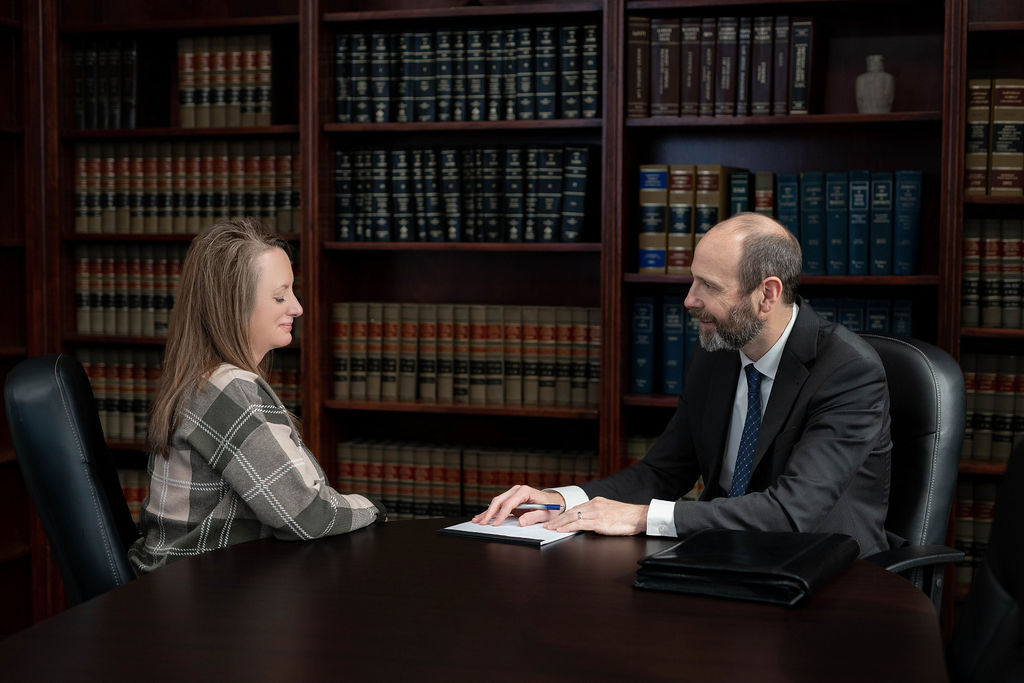
Most estate plans fail for one of two reasons: a document that was never signed, or a beneficiary form that was never changed. We build plans that work as a set and review them for free whenever life changes. Phone consultations are free; in-person consultations are $100. Every document is a flat fee, quoted before anything is drafted.
In short: An Alabama estate plan is a set of documents that decides who inherits your property, who manages your affairs if you cannot, who makes your medical decisions, and who raises your minor children. The core set is a last will and testament, a durable power of attorney, and an advance directive for health care, coordinated with the beneficiary designations on your accounts.
What each document does: The will speaks at death and runs through probate. The power of attorney speaks during your life, when you are alive but unable to act. The health care directive names who decides about treatment and states your wishes about life support. A trust, when one is warranted, does the will’s work without probate and can manage assets during incapacity too.
The Alabama framework: Wills are governed by Alabama Code § 43-8-131; powers of attorney by the Alabama Uniform Power of Attorney Act, § 26-1A-101 et seq.; advance directives by the Natural Death Act, § 22-8A-1 et seq.; trusts by the Alabama Uniform Trust Code. Without a will, the intestacy statute distributes your estate by formula and a probate judge chooses your children’s guardian.
The biggest mistake: Assuming the will controls everything. Life insurance, retirement accounts, and payable-on-death accounts pass by the beneficiary form on file, not by the will. A perfect will and an outdated 401(k) form send the largest asset to the wrong person.
The Documents Beyond the Will, Lifetime Gifts, and the Family Situation That Needs Them Most
Living Wills and Advance DirectivesYour wishes about life support and end-of-life care, and the health care proxy who carries them out.
Estate Planning for Blended FamiliesSecond marriages, children from a first marriage, and the plan that protects the new spouse and the kids at the same time.
Gift TransfersLifetime gifts of money or property, gift affidavits, and the gift letters mortgage lenders require.
What a Complete Alabama Estate Plan Includes
Estate planning is often reduced to “getting a will.” A will is essential, and for many Alabama families it is the centerpiece, but it only speaks at death and only reaches the assets that go through probate. A complete plan covers the years before death, when you may be alive and unable to act, and the assets that never touch the will at all.
Last Will and Testament
Names your beneficiaries, your executor, and the guardian for minor children, and can hold a child’s inheritance in a testamentary trust. Simple wills are a flat $750. Our will attorneys cover validity, updates, contests, and executor duties.
Durable Power of Attorney
Names the agent who manages your finances, property, and legal affairs if you become incapacitated. Without one, your family needs a court-ordered conservatorship to pay your bills. See powers of attorney.
Advance Directive for Health Care
Alabama’s living will and health care proxy in one document: your wishes about life-sustaining treatment and the person who speaks for you. See living wills and advance directives.
Beneficiary Designations
Life insurance, retirement accounts, and payable-on-death accounts pass by the form on file, not by the will. We review every one so the forms agree with the plan instead of defeating it.
Trusts, When Warranted
A revocable living trust avoids probate and handles incapacity; a special needs trust protects a disabled beneficiary’s benefits; a testamentary trust holds a child’s inheritance. We draft them when they earn their cost and say so when they do not. See trusts.
Deeds and Lifetime Gifts
A life estate deed passes the home outside probate; a gift during life can simplify the estate but has tax and Medicaid consequences. See property deeds and gift transfers.

When to Make a Plan, and When to Change It
The right time to make a plan is when you have anything worth directing or anyone depending on you, which describes most adults. The events that make it urgent: a marriage, the birth or adoption of a child, a divorce, a death in the family, a diagnosis, a move to Alabama, buying a home, starting a business, or a beneficiary whose circumstances have changed.
Those same events are the reasons to update. Alabama revokes the ex-spouse provisions of a will after a divorce and leaves everything else. A spouse-agent’s authority under a power of attorney ends when the divorce action is filed unless the document says otherwise, but the health care directive is not so clearly covered, and both should be replaced rather than relied on. A new marriage or a new child can give that spouse or child a statutory share the old plan never anticipated. A named executor or agent who has died or moved away needs replacing. We review existing plans for free by phone, and a plan that is still right costs nothing to confirm.
The situation that most often needs more than a basic will is a second marriage with children from the first. Leave everything to the new spouse and the children may get nothing; leave everything to the children and the spouse may lose the home. The plan that protects both usually involves a trust, a clear agreement, and beneficiary forms that match. Our estate planning for blended families page walks through the options.
How We Build Your Estate Plan
Most plans are signed within two to three weeks of the first call. Urgent situations are handled faster.
Free Phone Consultation
We learn your family, your assets, and your concerns, and tell you which documents you need and which you do not. Flat-fee quote for the whole set before anything is drafted.
Questionnaire
Beneficiaries and backups, executor, agents under the powers of attorney, guardian for minor children, health care wishes, and any beneficiary who should not inherit outright.
Design
Will or trust, testamentary trust terms for children, the scope of each agent’s authority, and how the beneficiary forms should read to match. This is where a blended family, a child with special needs, or a business gets its own provisions.
Drafting and Review
The documents drafted as one coordinated set and reviewed with you until every operative clause is understood.
Signing
Executed at the office nearest you with the witnesses and notary each document requires: two witnesses and a self-proving affidavit for the will, a notary for the power of attorney, two witnesses for the advance directive.
Beneficiary Forms and Review
Your checklist of every beneficiary designation to confirm or change, copies of the advance directive to your physician, and a free review call whenever life changes.
Frequently Asked Questions About Estate Planning in Alabama
1.What documents do I actually need?
For most Alabama adults: a will, a durable power of attorney, and an advance directive for health care, with the beneficiary forms on your accounts brought into line. Parents of minor children add a guardian nomination and usually a testamentary trust. A revocable living trust is added when avoiding probate, privacy, or out-of-state property justifies it. We tell you which at the free consultation.
2.What happens if I die without a will in Alabama?
Alabama’s intestate succession statute, Alabama Code § 43-8-40 and following, distributes your probate estate by formula. A surviving spouse shares with the decedent’s children or parents; children from a prior relationship change the split; stepchildren, unmarried partners, and friends receive nothing. The probate court appoints the administrator, and for minor children, chooses the guardian. Beneficiary designations still pass by their forms.
3.Do I need a trust, or is a will enough?
For a straightforward Alabama estate with beneficiaries ready to inherit outright, a will plus coordinated beneficiary designations usually does the job at lower cost. A trust earns its keep when you want to avoid probate, keep the plan private, manage assets during incapacity, hold property in another state, or control how and when a beneficiary receives. We draft both and will say which fits.
4.What does estate planning cost at The Harris Firm LLC?
Every document is a flat fee. A simple will is $750. Powers of attorney, advance directives, testamentary trust provisions, and living trusts are quoted alongside at your free phone consultation, so you know the whole package price before committing. In-person consultations are $100. Reviews of an existing plan by phone are free.
5.How often should I update my estate plan?
Whenever life changes: marriage, divorce, a birth or adoption, a death, a diagnosis, a move, a home purchase, or a change in a beneficiary’s circumstances. Absent an event, a look every three to five years catches drift. The review call is free, and a plan that is still right costs nothing to confirm.
6.Can I do my estate plan online instead?
You can buy documents online. What you cannot buy is the judgment about which ones you need, how they should read for your family, and whether your beneficiary forms defeat them. The plans that fail in probate court are rarely missing a document; they are missing the coordination. A flat-fee plan from an Alabama attorney costs modestly more and comes with someone to call when things change.
Estate Planning Attorneys in Four Alabama Offices
Steven Harris and Christopher Owens prepare estate plans from Birmingham and Chelsea; John Tyler Winans and Julia Collins from Montgomery; LaTasha Huffman and Rebecca Lee from Huntsville. Documents are signed at whichever office is closest to you.
Get the Whole Plan Done. Free Phone Consultation.
One free call tells you which documents you need, which you do not, and the flat fee for the set. Signed within a few weeks, reviewed for free whenever life changes.
A Complete Plan Includes
✓ Last will and testament, $750 for a simple will
✓ Durable power of attorney
✓ Advance directive for health care
✓ Guardian nomination and testamentary trust for minor children
✓ Beneficiary designation review and checklist
✓ Trusts and deeds where they earn their cost
Phone consultation free. In-person consultation $100. Flat fees quoted before anything is drafted.
Call the Office Nearest You
Birmingham — (205) 201-1789
Chelsea — (205) 677-5490
Huntsville — (256) 665-9473
Montgomery — (334) 782-9938
Related: Alabama Probate Attorneys · Alabama Will Attorneys · Trusts in Alabama · Guardianships and Conservatorships
Harris Firm LLC Proud Member of