Call our Alabama Trust Attorneys today at (205) 201-1789

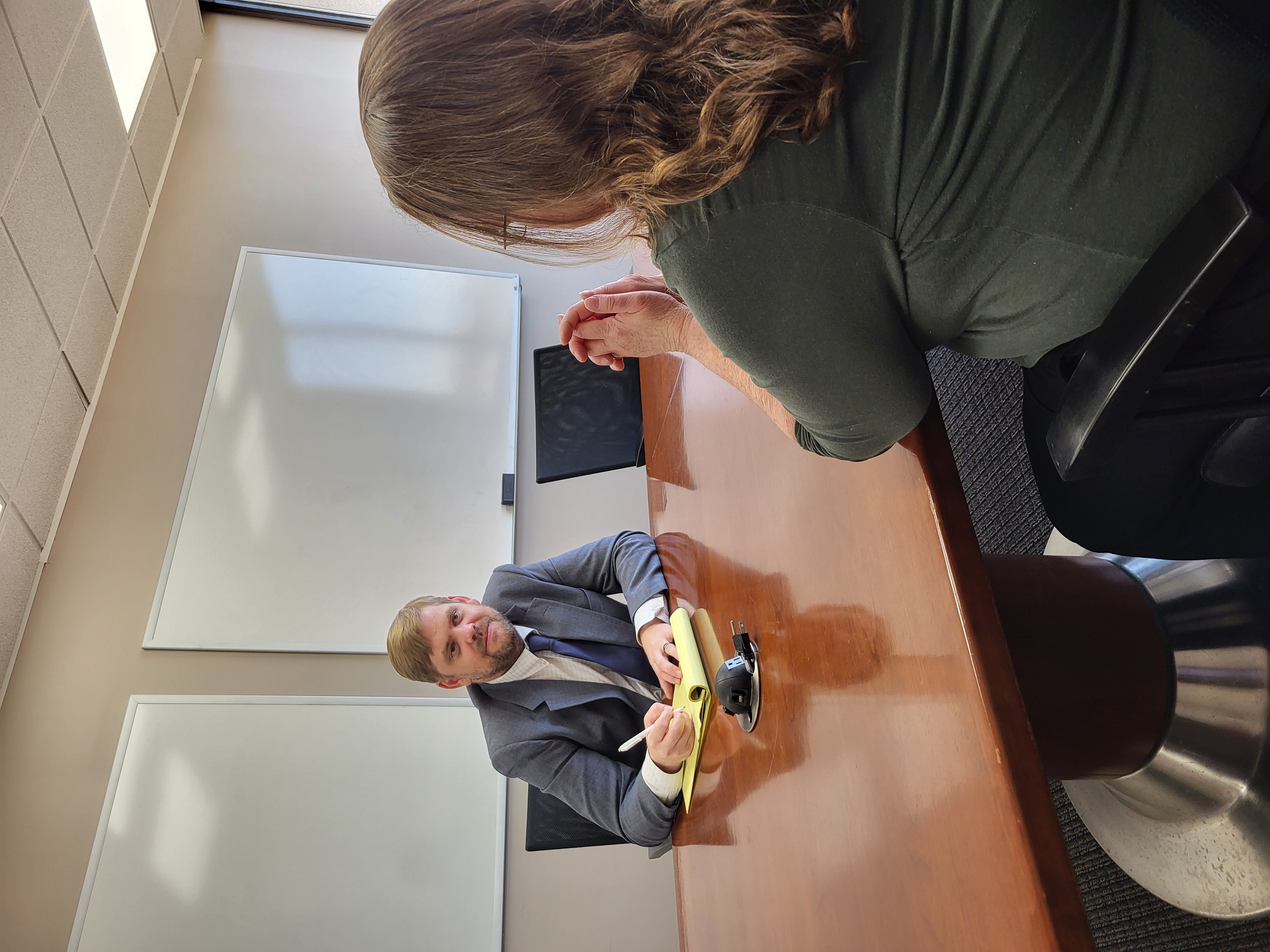
Trusts are not one-size-fits-all documents, and plenty of firms sell them to everyone who walks in. We would rather tell you which trust fits, or that a well-drafted will serves you better. Phone consultations for estate planning are free; in-person consultations are $100. Trusts are flat-fee, quoted before anything is drafted.
In short: A trust is a legal arrangement in which a trustee holds and manages assets for a beneficiary under terms the grantor sets. Unlike a will, which takes effect only at death and runs through the public probate process, a trust can operate during your lifetime, after your death, or both, and can manage assets during incapacity, distribute property without court involvement, and condition distributions on ages or events you choose.
The four kinds: A revocable living trust avoids probate and handles incapacity while you keep full control. An irrevocable trust trades control for asset protection and long-term care planning. A testamentary trust lives inside your will and protects a child’s inheritance until they are ready for it. A special needs trust provides for a loved one with a disability without costing them SSI or Medicaid.
The Alabama framework: Alabama trusts are governed by the Alabama Uniform Trust Code, Alabama Code § 19-3B-101 et seq., which sets the trustee’s duties of loyalty, prudence, and disclosure. A revocable trust does not protect assets from your creditors or reduce taxes by itself; that work belongs to irrevocable planning, which is subject to Medicaid’s five-year look-back.
The biggest mistake: Signing a trust and never funding it. Assets left titled in your own name at death go through probate no matter what the trust says. Funding guidance is part of every trust we prepare.
Find the Trust That Fits, or the Help You Need Administering One
Irrevocable TrustAsset protection, Medicaid long-term care planning, and the five-year look-back. Control traded for protection.
Special Needs TrustProvide for a loved one with a disability without costing them SSI or Medicaid. Third-party and first-party trusts.
Testamentary TrustBuilt inside your will to hold a child’s inheritance until they are ready. The most affordable trust there is.
Trust AdministrationYou have been named trustee, or you are a beneficiary who cannot get answers. Duties, accountings, and disputes.
What a Trust Is and Why Alabama Families Use Them
A trust has three parties. The grantor (or settlor) creates it and puts assets in. The trustee holds legal title and manages those assets under the trust’s terms. The beneficiary receives the benefit. In a revocable living trust all three are usually the same person at the start, which is why nothing about daily life changes when you sign one. The differences show up at the two moments that matter, incapacity and death, and in what the trust can do that a will cannot.
Avoiding Probate
Assets held in a funded trust pass to beneficiaries without the probate process, which saves months, reduces cost, and spares the family court oversight. This is the most common reason Alabama families set one up.
Privacy
A will filed for probate becomes a public record. A trust generally stays private: its terms, its beneficiaries, and what each received are not in a court file for anyone to read.
Incapacity Planning
If the grantor can no longer manage their affairs, the successor trustee steps in immediately, without a conservatorship proceeding or a court’s permission to pay the bills.
Managed Distributions
A trust can hold an inheritance and pay it out at ages you choose, in installments, or for specific needs, instead of handing a 19-year-old the whole thing at once, which is what Alabama law does by default.
Protecting Beneficiaries
Assets kept in trust are shielded from a beneficiary’s divorce, creditors, or poor judgment in ways an outright inheritance is not, and a special needs trust keeps a disabled beneficiary’s benefits intact.
Out-of-State Property
Real estate in another state normally means a second probate there. Titled in a trust, it passes under the trust’s terms with no ancillary proceeding.
Trusts vs. Wills
Both direct where your assets go at death. They get there by very different routes, and most complete plans use both: a trust for the primary assets and a pour-over will to catch anything left outside it and to name guardians for minor children, which a trust cannot do. Our Alabama will attorneys draft the will side of that pair.
Will
Takes effect only at death. Goes through probate, a public court process, before anything is distributed. Becomes a public record. Cannot manage assets during incapacity or condition distributions. Simpler and cheaper to create. The only document that can name a guardian for minor children.
Trust
Operates during life and after death. Funded assets pass without probate, privately and faster. A successor trustee manages during incapacity without a court. Distributions can be conditioned and staggered. More work to create and it has to be funded and kept funded. For the right family, that investment pays for itself the first time it is used.
How We Create a Trust
A trust that is drafted well but never funded accomplishes nothing. The process runs from goals to funding, usually within a few weeks.
Free Phone Consultation
We learn what you want the trust to do, whether that is avoiding probate, protecting a child’s inheritance, planning for long-term care, or providing for a disabled family member, and tell you which trust fits or whether a will-based plan serves you better. You get a flat-fee quote before committing.
Client Questionnaire
Your assets, family, intended beneficiaries, how and when you want distributions made, and any special circumstances: a blended family, a beneficiary with special needs, a business. This is what lets us design the trust rather than fill in a template.
Structure and Trustee
The trust type, the retained rights, and who serves as trustee and successor. For a revocable trust you are usually your own first trustee; the successor is the person your beneficiaries will rely on, and that choice gets real attention.
Drafting and Signing
The trust agreement, the pour-over will, powers of attorney, and advance directive are drafted as one coordinated set, reviewed with you until every operative term is understood, and executed with the formalities Alabama law requires.
Funding
Real estate is deeded to the trust, accounts are retitled or given trust beneficiary designations, and you leave with a roadmap for everything else. For an irrevocable trust, funding is also what starts the Medicaid five-year clock.
Review Every Few Years
Marriages, divorces, births, deaths, a move, or a change in assets are all reasons to revisit. Revocable trusts can be amended any time; the phone call to review one is free.
Administering a Trust, and How Trusts Fit With Probate
Most trust administrations begin at a death, when a successor trustee steps into a revocable trust that has just become irrevocable. The job is real: notices to beneficiaries, a tax ID and separate accounts for the trust, an inventory, debts and final returns, then distribution with receipts and releases. A trustee who runs it informally can be personally liable to the beneficiaries; one who takes counsel early almost never is, and the trust ordinarily pays for that guidance. We represent trustees through the whole process, and beneficiaries when a trustee will not account or will not distribute. Our trust administration page covers both sides.
A funded trust reduces or eliminates probate, but it rarely eliminates it entirely; assets left in the decedent’s own name usually need a companion probate estate, with the pour-over will directing them into the trust. We run both tracks under one roof, which is why the trust is one piece of a plan that also includes the will, a durable power of attorney, and a health care directive from our estate planning practice.
Frequently Asked Questions About Trusts in Alabama
1.Do I need a trust if I already have a will in Alabama?
Not necessarily. A will goes through probate and becomes a public record; a trust avoids probate and stays private. If your goals include avoiding probate, handling incapacity without a conservatorship, protecting out-of-state property, or managing distributions for a beneficiary over time, a trust offers things a will cannot. For a simpler Alabama estate with beneficiaries ready to inherit outright, a well-drafted will with beneficiary designations often serves just as well at lower cost. We draft both, and the free consultation is where we tell you which fits.
2.What is the difference between a revocable and an irrevocable trust?
A revocable trust can be changed or revoked any time while you are alive and competent; you keep full control, which is also why it gives no protection from your creditors or Medicaid. An irrevocable trust generally cannot be changed once created, and in exchange for giving up control you can gain asset protection, removal of assets from the taxable estate, and Medicaid planning advantages, subject to the five-year look-back. The right choice depends on what you are trying to protect and from what.
3.What happens if I create a trust but never fund it?
Nothing, which is the problem. Assets that stay titled in your individual name go through probate at your death exactly as if the trust did not exist. An unfunded trust is the most common and most consequential estate planning mistake we see, usually on trusts prepared years ago by someone else. Funding guidance, including the deed for your home, is part of every trust we prepare.
4.Can a trust protect my assets from nursing home costs?
A revocable trust cannot; because you control it, Medicaid counts its assets as yours. A properly drafted irrevocable trust can, if it is funded more than five years before a Medicaid application, because transfers inside that look-back window trigger a penalty period. That is why the planning works best while care is still a someday question. Crisis-stage options exist, but the toolset is smaller.
5.How much does it cost to create a trust in Alabama?
Trusts are flat-fee at The Harris Firm LLC, quoted at your free phone consultation based on the type of trust, your assets, and the other documents drafted alongside it. A simple will is a flat $750, and a testamentary trust’s provisions are quoted with it. You will know the full package price before committing to anything.
6.I have been named successor trustee. What do I do first?
Locate and read the trust, order death certificates, and call before you move any money. The early steps are notices to beneficiaries, a tax ID for the trust, and an inventory of the assets; the mistakes that create personal liability are commingling funds, distributing early, and ignoring a beneficiary’s request for information. The phone consultation is free, and the trust ordinarily pays for the attorney’s guidance from there.
Trust Attorneys in Four Alabama Offices
Steven Harris and Christopher Owens handle trust matters from Birmingham and Chelsea; John Tyler Winans and Julia Collins from Montgomery; LaTasha Huffman and Rebecca Lee from Huntsville. We serve clients throughout Alabama.
Find Out Which Trust Fits Your Family. Free Phone Consultation.
One free call tells you whether a trust or a will-based plan serves you better, which trust if so, and exactly what it costs. No pressure either way.
Our Trust Services Include
✓ Revocable living trusts with pour-over will and funding
✓ Irrevocable and Medicaid planning trusts
✓ Special needs trusts, third-party and first-party
✓ Wills with testamentary trust provisions
✓ Trust administration for successor trustees
✓ Beneficiary representation and trust disputes
Phone consultation free. In-person consultation $100. Flat fees quoted before anything is drafted.
Call the Office Nearest You
Birmingham — (205) 201-1789
Chelsea — (205) 677-5490
Huntsville — (256) 665-9473
Montgomery — (334) 782-9938
Related: Alabama Estate Planning Attorneys · Alabama Will Attorneys · Guardianships and Conservatorships
Harris Firm LLC Proud Member of