Call our Alabama Child Support Attorneys today at (205) 201-1789

The family law attorneys at The Harris Firm assist clients in Birmingham, Montgomery, Huntsville, and Chelsea in evaluating whether termination is appropriate and guiding them through the correct legal process to bring a child support obligation to a formal, enforceable close.
What Is a Petition to Terminate Child Support in Alabama?
A petition to terminate child support is a formal legal request filed with an Alabama court asking for an existing child support obligation to be legally and permanently ended. This is a distinct legal action from both initial establishment — where no order exists and one must be created — and modification, which changes the amount of an existing order while keeping it in place. Termination asks the court to bring the obligation to a complete close because a qualifying event or legal change has occurred that eliminates the underlying basis for the support obligation.
The single most important thing to understand about child support termination in Alabama is that child support does not automatically stop simply because circumstances have changed. Even when a qualifying event clearly occurs — a child turns 19, a stepparent adoption is finalized, parental rights are terminated — the original order typically remains in force and continues to be enforceable unless the order itself contains explicit automatic termination language or a court enters a new order formally ending the obligation. Stopping payments informally, without a court order, does not end your legal obligation. It causes arrears to continue accruing, exposes you to enforcement actions including wage garnishment, license suspension, and contempt proceedings, and puts you in a worse legal position than if you had filed properly.
Termination is also different from modification in a critical way: modification adjusts the amount of support while keeping the underlying legal obligation intact. If your circumstances have changed but your child still meets the requirements for support, a child support modification — not a termination petition — is the appropriate action. Our attorneys evaluate each situation carefully to advise on which legal action is actually appropriate before any petition is drafted or filed.
Termination vs. Modification vs. Establishment — What’s the Difference?
Child support proceedings fall into three distinct categories and it is important to understand which one applies to your situation before any legal action is taken. Filing the wrong type of petition wastes time and money and does not achieve the legal result you are looking for.
Termination — This Page
A child support order exists and you are asking the court to end it permanently because a qualifying legal event has occurred — the child has reached majority, been adopted or emancipated, or another basis for ending the obligation exists.
You are in the right place.
Modification — Change the Amount
A child support order exists and circumstances have materially changed — income, custody, or the child’s needs — but the obligation itself has not ended. You need the existing amount reviewed and adjusted by the court.
Establishment — Create a New Order
No child support order exists yet and one needs to be created for the first time. This is typically filed when parents are separating or when an unmarried parent needs formal financial support established.
If you are unsure which category applies, call our office and we will help you identify the right action for your situation before any filing is initiated.
When Can Child Support Be Terminated in Alabama?
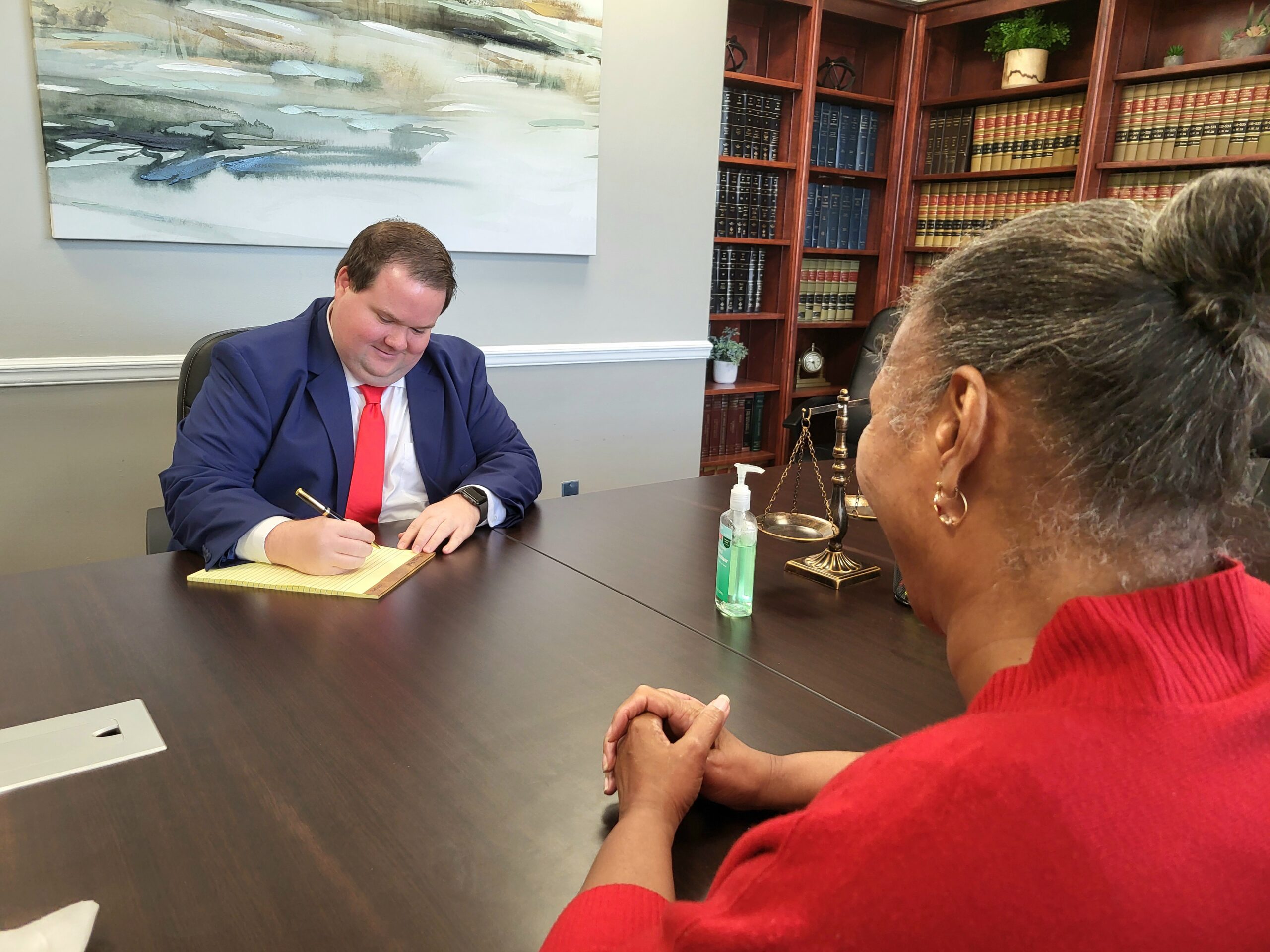
Child support does not end on its own in every situation. Specific legal events or changed circumstances must exist to justify termination — and each situation must be evaluated individually based on the specific terms of the existing order and the facts at hand. Alabama’s child support guidelines govern how obligations are established and maintained under existing orders, but termination is a separate legal determination that requires meeting its own standard.
Child Reaches the Age of Majority
In Alabama, child support generally continues until the child turns 19 — the state’s age of majority. However, whether support stops automatically at 19 depends on the specific language of the existing order. Orders that do not include an explicit automatic termination provision may need a formal petition to close the obligation, particularly when arrears exist or the paying parent wants documented confirmation that the obligation has ended.
Stepparent Adoption of the Child
When a child is adopted by a stepparent, the biological parent’s parental rights are typically terminated as part of the adoption process — severing the legal relationship that creates the support obligation. This can terminate future child support obligations, but the support order does not disappear automatically at the moment of adoption. Coordination between the adoption proceeding and a separate petition to terminate support is typically required to ensure the obligation is formally and completely ended.
Legal Emancipation of the Child
If a child becomes legally independent before reaching age 19 — through marriage, entry into active military service, or a court-ordered emancipation — this may provide grounds for terminating the support obligation before the standard age cutoff. Emancipation must be legally established for it to serve as a basis for termination; informal independence or the child simply moving out does not constitute legal emancipation.
Termination of Parental Rights
In cases where parental rights have been legally terminated through a separate court proceeding, the obligation to pay child support going forward may also end — though this depends on the specific circumstances and how the termination of rights was handled. The support order itself still needs to be formally addressed; termination of parental rights does not automatically void an existing child support order in every situation.
Change in Legal Parentage
If paternity is successfully challenged through a legal proceeding and it is determined that the paying party is not the biological parent of the child, this can form the basis for a petition to terminate ongoing child support obligations. However, paternity challenges are complex and outcomes regarding past arrears may differ from outcomes regarding future payments — an attorney should be consulted before any action is taken.
Death of the Child
In the tragic event of a child’s death, the ongoing obligation to pay child support for that child ceases. Even in this circumstance, obtaining a court order formally addressing the termination of the support obligation is advisable to ensure legal clarity and prevent any future enforcement actions based on the now-irrelevant original order.
Not certain whether your situation qualifies for termination or whether modification is more appropriate? Our attorneys evaluate each situation individually — the right legal action depends on the specific facts and the language of your existing order, not on general rules alone.
What a Termination Order Does — and What It Doesn’t
Understanding the precise scope of what a termination order accomplishes is essential to setting accurate expectations before filing. A termination petition that is granted does not unwind the entire history of the support order — it ends the forward-going obligation from the date the court enters its order.
What Termination Accomplishes
A granted termination petition ends your legal obligation to make child support payments going forward from the date of the court’s order. It stops the accrual of new arrears, removes the basis for future enforcement actions related to ongoing support, and formally closes the court proceeding. It provides documented legal confirmation that the obligation no longer exists — important protection if the other party later attempts to enforce the original order.
What Termination Does Not Accomplish
Termination does not eliminate past-due arrears that existed before the termination order was entered. Any amounts owed under the original order up to the date of termination remain legally enforceable debts — and can be separately collected through wage garnishment, tax intercept, or other enforcement mechanisms even after the ongoing obligation has been terminated. Termination also does not retroactively excuse missed payments or reduce amounts that were already due.
Why Filing Promptly Matters
Every month between when a qualifying event occurs and when a termination order is entered is a month during which the original support obligation technically remains in force. If you stop paying informally before the order is terminated, those missed payments become arrears — owed regardless of whether the underlying obligation should have already ended. The sooner a petition is filed and granted, the sooner the obligation formally stops accruing.
Informal Agreements Do Not End the Order
One of the most costly mistakes paying parents make is reaching a verbal or informal agreement with the other parent to stop paying, without going back to court. Even if the other parent agrees and tells you it is fine to stop, the original court order remains in full effect. The court is not a party to your informal arrangement and is not bound by it. Payments that are stopped informally continue to accumulate as arrears under the original order — and the other parent can later enforce the full amount despite the informal agreement.
If your circumstances have changed but you are not certain whether termination or modification is appropriate, reviewing Alabama’s child support guidelines can help you understand how your financial situation relates to the ongoing obligation — and an attorney consultation will clarify which legal action makes sense for your specific situation.
Filing a Petition to Terminate Child Support in Alabama
Ending a child support obligation requires following a structured legal process. Skipping steps or stopping payments without a court order can create serious and compounding legal consequences. Here is how the process works from start to final order.
Review the Existing Order and Evaluate Eligibility
Before drafting anything, the existing child support order must be carefully reviewed — including the specific termination provisions it contains, the child’s current legal status, and any related proceedings such as adoption or termination of parental rights. This initial evaluation determines whether valid legal grounds for termination exist and whether any issues — such as outstanding arrears or ongoing paternity questions — need to be addressed alongside the termination petition. Filing a petition that lacks a sufficient legal basis wastes time and money and puts you in a worse position than if you had consulted an attorney first.
Draft the Petition
The petition must clearly identify the parties, reference the specific existing child support order, state the precise legal basis for requesting termination, include relevant dates and supporting facts, and specify exactly what relief is being requested from the court. The petition should be drafted in a way that aligns with Alabama procedural requirements and makes the legal basis for termination immediately clear to the court reviewing it. A vague or poorly supported petition invites delay, additional filings, and potentially an unfavorable ruling.
File With the Appropriate Court
The petition is filed with the Alabama court that issued the original child support order — or the court that otherwise has jurisdiction over the child support matter. Filing initiates the legal process, assigns a case number, and places the request formally before the court. The filing fee must be paid at the time of filing and varies by county. Once filed, the matter is under the court’s jurisdiction and the process moves forward on the court’s schedule.
Serve the Other Party
After filing, the other party must be formally served with a copy of the petition — ensuring they have legal notice of the proceeding and a meaningful opportunity to respond. Proper service is a due process requirement and a prerequisite to any court action. The case cannot move forward until service is accomplished. If the other party is difficult to locate or attempts to avoid service, additional steps may be available and our attorneys can advise on the options.
Response and Court Scheduling
After being served, the other party has an opportunity to respond. They may agree with the petition — in which case the matter may be resolved relatively quickly through a consent order — or they may oppose the termination. If the petition is opposed, the court will schedule a hearing. If both parties agree and the matter is uncontested, the court may resolve the petition based on the filings alone without requiring either party to appear. The timeline depends significantly on whether the petition is contested and the court’s docket in the applicable county.
Court Decision and Final Order
After reviewing the petition, any response, and any hearing testimony or evidence, the court issues its ruling. The court may grant the termination, deny the request if it finds the legal basis is insufficient, or determine that modification rather than termination is more appropriate given the circumstances. Only after the court enters a written order does the obligation officially change — the original support order remains in full legal force until that moment. Copies of the final order should be retained for your records and provided to any income withholding administrator if payments were being made through wage garnishment.
Important Considerations Before Filing a Termination Petition
Continue Paying Until the Order Is Terminated
This is the most important practical rule: continue making child support payments according to the existing order until a court enters a termination order — even if you believe the obligation should already have ended. Stopping before the order is formally terminated creates arrears that must be paid regardless of the merits of your termination petition. The filing of a petition does not suspend the obligation while the petition is pending.
Arrears Are Not Eliminated by Termination
A termination order ends future obligations — it does not erase existing arrears. Any past-due amounts owed at the time of termination remain valid debts that can be collected independently. If you have outstanding arrears you are also seeking to address, that is a separate legal matter that may require its own negotiation or court proceeding — distinct from the termination petition itself.
Consider Whether Modification Is the Better Fit
If your child still meets the legal requirements for support but the amount is no longer appropriate given changed financial circumstances, a child support modification — not a termination petition — is the correct legal action. Filing a termination petition when modification is the right answer wastes time and typically results in the petition being denied, leaving you in the same position you started.
Coordinate With Related Proceedings
Termination petitions often intersect with adoption proceedings, termination of parental rights actions, and paternity challenges. Actions taken in one proceeding can directly affect outcomes in another — and timing matters. Handling these issues together with coordinated legal strategy rather than filing sequentially without a plan reduces the risk of one action inadvertently complicating or undermining another.
Frequently Asked Questions About Terminating Child Support in Alabama
1.Does child support automatically stop when a child turns 19 in Alabama?
Not necessarily. While 19 is the general age of majority in Alabama and is when child support typically ends, whether it stops automatically depends entirely on the specific language of your existing court order. Some orders include a provision stating that support automatically terminates at 19; others do not include this language, meaning the obligation technically remains in effect until a court formally closes it. If your order does not have automatic termination language — or if arrears exist — you may still need to file a petition to formally end the obligation and protect yourself from future enforcement actions based on the still-open original order.
2.What happens to child support arrears when I file to terminate in Alabama?
A petition to terminate child support addresses future obligations only — it does not eliminate or reduce past-due amounts. Any arrears that existed at the time of termination remain owed and can be collected and enforced independently of the termination order, through wage garnishment, tax intercept, license suspension, and other enforcement mechanisms. If you have outstanding arrears you want to address alongside the termination, that is a separate legal matter that may need to be negotiated or handled through its own proceeding. An attorney can help you understand the full scope of what you owe and how the termination interacts with existing arrears.
3.Can child support be terminated in Alabama if both parents agree?
Yes — and when both parents agree, the process is typically more straightforward and less expensive. However, even with full mutual agreement, a formal court order is still required to legally terminate the obligation. Informal agreements between the parents — no matter how clearly communicated or well-documented — do not alter the original court order. The court is not a party to the private agreement and is not bound by it. A joint petition or agreed order can be submitted to the court for approval, which is usually handled faster and at lower cost than a contested termination proceeding — but it still requires court approval to be legally effective.
4.Does a stepparent adoption end child support obligations in Alabama?
Generally yes — when a stepparent adoption is finalized, the biological parent’s parental rights are terminated as part of the adoption process, severing the legal relationship between the biological parent and the child. This typically ends the obligation to pay child support going forward. However, the child support order does not automatically disappear at the moment of adoption without being formally addressed. Coordination between the adoption proceeding and a separate petition to terminate child support is usually necessary to ensure the obligation is completely and formally ended — and that the paying parent is protected against future enforcement based on the original order.
5.What is the difference between terminating child support and modifying it in Alabama?
Termination ends the child support obligation permanently — the paying parent’s legal duty to make payments is fully extinguished going forward. Modification adjusts the amount of an existing obligation while keeping the underlying duty to pay intact. If your child still qualifies for support under Alabama law but the amount is no longer appropriate given your current financial circumstances, a child support modification is the right action — not a termination petition. Filing a termination petition when modification is actually what is needed typically results in the petition being denied, leaving you with the same original order and the additional cost of the failed proceeding. Our attorneys evaluate your situation carefully before advising which action is appropriate.
6.How does Alabama calculate whether child support is still owed if circumstances have changed?
Alabama uses Rule 32 child support guidelines to calculate support obligations based on both parents’ incomes, the number of children, the custody arrangement, and healthcare and childcare costs. If you believe the obligation should be reduced rather than terminated — because circumstances have changed but the child still qualifies for support — reviewing the guidelines will give you a sense of what a modification might produce. If the qualifying event for termination has occurred, the guidelines become less relevant — the issue is not the amount but whether the obligation exists at all.
Ready to End a Child Support Obligation the Right Way?
Child support obligations are important — but so is making sure they end properly and completely when the time comes. At The Harris Firm LLC, we help clients across Alabama file termination petitions with precision, ensure the process is handled correctly, and protect our clients from enforcement actions on obligations that should no longer exist.
What We Cover in Your Consultation
Serving All of Alabama
We assist clients in Birmingham, Montgomery, Huntsville, Chelsea, and throughout central and northern Alabama with petitions to terminate child support — from the initial evaluation and petition drafting through court hearings and final orders.
Related Child Support Actions
Need to change the amount instead? See our page on child support modification. Want to understand how Alabama calculates support? See our overview of the Alabama child support guidelines.
Harris Firm LLC Proud Member of