


In Alabama, the Probate Court may seem confusing if you are unfamiliar with it. That confusion usually comes from the fact that the Probate Court has multiple and varying functions that have little to do with one another. Most people associate “probate” only with wills and estates, but the Alabama Probate Court is actually a court of broad and specific jurisdiction that touches deaths, name changes, adoptions, mental health, and even the land records for every piece of real estate in the county. 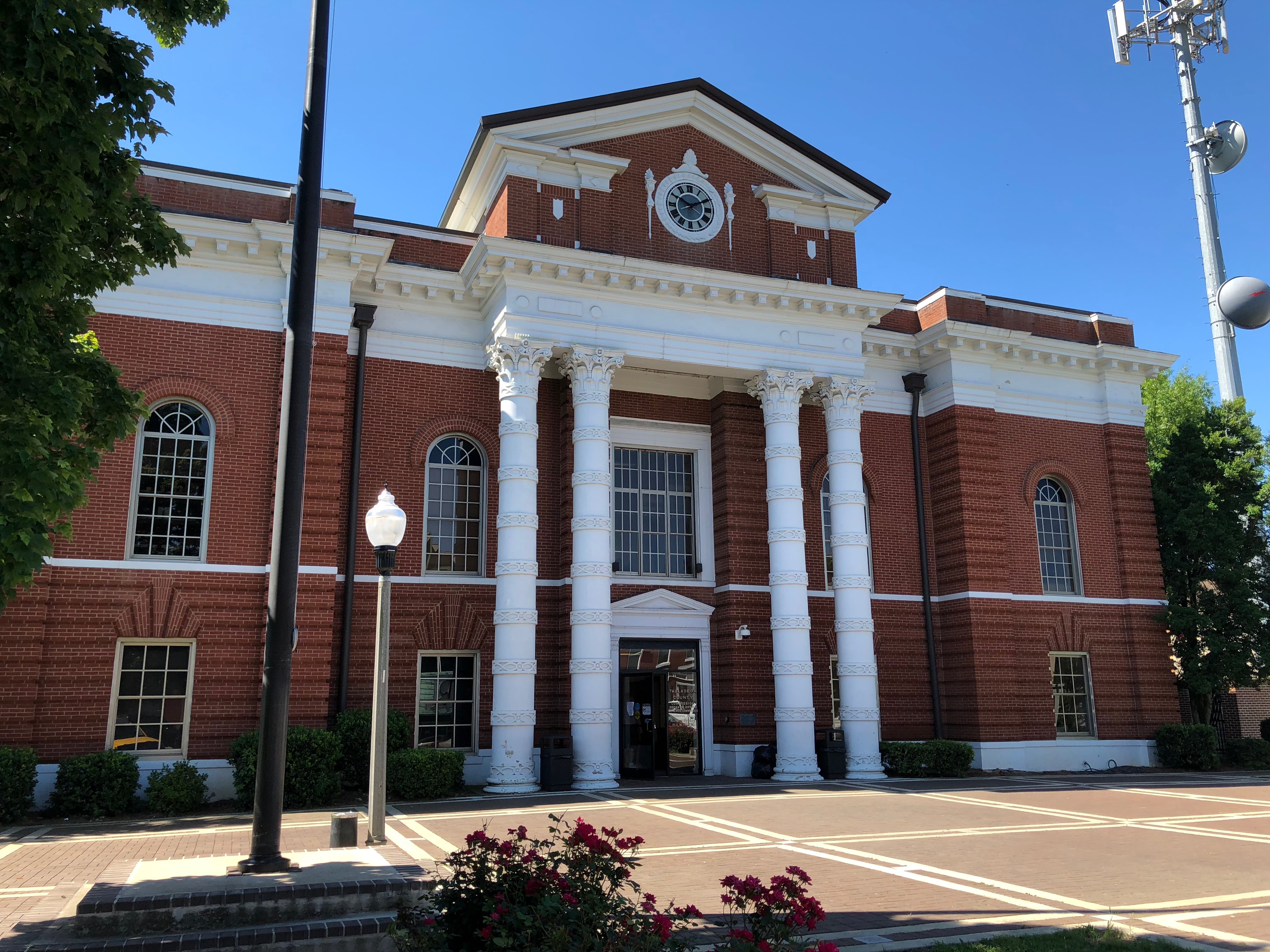 This article walks through the main things the Probate Court does in Alabama so you know which court handles your matter and what to expect when you get there. Each of Alabama’s 67 counties has its own Probate Court and its own elected Probate Judge, and while procedures are largely uniform statewide, local filing practices can vary from county to county. Knowing which of these functions applies to your situation is the first step toward handling it correctly.
Probating a Deceased Person’s Estate
The most well-known function of the Alabama Probate Court relates to a deceased person’s estate. After a person has passed away, either with or without a valid last will and testament, a family member or other interested party may elect to “open the estate.” Opening an estate is the legal method through which the deceased person’s assets and possessions pass to their heirs or to the beneficiaries named in the will.
When there is a will, the process is called a testate administration, and the person named to manage the estate is the executor. When there is no will, the estate is intestate, and the court appoints an administrator to serve the same role while Alabama’s laws of intestate succession decide who inherits. Either way, the personal representative is responsible for gathering the assets, giving notice to creditors, paying valid debts and taxes, and distributing what remains to the rightful heirs. A full estate administration in Alabama generally must stay open for at least six months to allow creditors time to file claims, and more complex estates take considerably longer.
One point that surprises many families is that not all property passes through probate at all. Assets that are jointly owned with rights of survivorship, or that have a named beneficiary such as a life insurance policy, a payable-on-death bank account, or a retirement account, pass directly to the surviving owner or beneficiary outside of the estate. What lands in Probate Court is typically the property titled in the deceased person’s name alone. That is why two estates of similar size can require very different amounts of court involvement, and it is one of the first things worth sorting out before you file anything.
Not every estate requires the full process either. Alabama offers a simplified path for smaller estates through the summary distribution of a small estate, which can save families significant time and expense when the estate value falls under the statutory threshold that the state adjusts periodically for inflation. Whether your loved one’s estate qualifies depends on its size and what kind of assets are involved, and that is one of the first things our probate attorneys evaluate when a family comes in.
Name Changes and Adoptions
In addition to estates, the Alabama Probate Courts function as the gatekeeper for people who want to change their names and for people who want to adopt a child. A person who wants to change their name can submit a petition to the Probate Court, and the judge determines whether the change will be granted. Adult name changes in Alabama are filed in Probate Court, and as long as the request is not being made for a fraudulent or unlawful purpose, they are usually straightforward.
People often seek a name change after receiving a divorce decree, though it is worth knowing that a spouse can usually have a maiden or former name restored directly within the divorce judgment itself, which avoids a separate Probate Court filing. A minor child’s name change is also handled in Probate Court but carries additional requirements, including notice to both parents, because it affects the parental relationship and not just the child’s paperwork.
Adoptions are likewise handled through the Probate Court. If a person wants to adopt a child, the petition is filed with the Probate Judge, who oversees the process from the initial filing through finalization. Alabama Probate Courts handle several kinds of adoption, including stepparent adoptions, agency adoptions, grandparent adoptions, and adult adoptions. Each type has its own consent and notice requirements, and getting those details right is what makes an adoption final and secure. An adoption is one of the happier matters the Probate Court handles, but it is also one where a missed consent or a defective notice can unravel the result later, so the paperwork deserves real care.
Guardianships and Conservatorships
Alabama Probate Courts also have the power to grant conservatorships and guardianships. A conservatorship occurs when the Probate Judge appoints someone to manage another person’s property and financial affairs. The person being looked after is referred to as the ward. A conservatorship is different from a guardianship: in a guardianship, the Probate Judge determines that the ward is incapable of caring for their own personal welfare, so the guardian is responsible for decisions about the ward’s health, housing, and day-to-day care rather than their finances.
In many situations, the same person needs both a guardian and a conservator, and the court can appoint one individual to serve in both roles. These cases come up most often for elderly adults who can no longer manage their affairs, for adults with significant disabilities, and sometimes for minors who inherit money or receive a legal settlement and need someone to manage those funds until adulthood. Because these proceedings involve taking legal control over another person’s decisions, the court requires clear evidence of incapacity and often appoints a guardian ad litem to represent the proposed ward’s interests. The judge does not grant this authority lightly, and the appointed guardian or conservator then answers to the court through periodic reports and accountings. Our attorneys handle both sides of these cases, and you can learn more on our guardianships and conservatorships page.
Involuntary Commitments
Like conservatorships and guardianships, involuntary commitments are also controlled by the Probate Court. If a family member or friend is concerned about a loved one’s mental health and the person poses a real risk to themselves or others, they may file a petition to have that person evaluated and, if appropriate, placed in the care of the State Department of Mental Health. The Probate Judge then holds a hearing to determine whether the legal standard for commitment is met.
These are among the most sensitive matters the Probate Court handles, because they weigh a person’s liberty against genuine concerns for safety and wellbeing. Alabama law builds in due-process protections, including the right to notice, the right to be present and represented by counsel, and a requirement that the petitioner prove the case by clear and convincing evidence before any commitment order is entered. The commitment is also not open-ended; the law provides for review so that a person is not held longer than their condition warrants. Families who reach this point are usually frightened and exhausted, and understanding that the process has real safeguards on both sides often helps.
Land and Property Records
Finally, Alabama Probate Courts are the guardians of land and property records. These records include, but are not limited to, mortgages, deeds, easements, and liens on real property. Real property refers to land and the buildings attached to it. When a deed is signed to transfer a home, it is the Probate Court where that deed is recorded, which is what puts the public on notice of who owns the property. This recording function is why the Probate Court matters even to people who never have an estate, an adoption, or a guardianship case.
This is also where several of the firm’s other practice areas quietly run through the Probate Court. A deed prepared as part of a divorce, an estate that has to transfer a house to the heirs, or a quit claim deed moving property between family members all end up recorded here. You can usually look up the land records of each county on that particular county’s Probate Court website or in person at the courthouse. For example, Jefferson County land records can be located at the Jefferson County Probate Court’s website or in person at the Probate Court of Jefferson County in Birmingham, Alabama. If you need a deed prepared and recorded as part of a divorce or estate matter, our Birmingham probate attorneys handle deed preparation and recording throughout the state.
Talk to an Alabama Probate Attorney
Because the Probate Court handles so many different kinds of matters, the right first step is simply talking to an attorney who works in that court regularly and can tell you which process fits your situation. Whether you need to open an estate, change a name, complete an adoption, set up a guardianship or conservatorship, or record a deed, The Harris Firm LLC can help. Probate and estate planning phone consultations are free. Call us today at (205) 201-1789, with offices in Birmingham, Chelsea, Huntsville, and Montgomery, and let one of our probate attorneys guide you through it.

Attorney Steven A. Harris regularly blogs in the areas of family law, bankruptcy, probate, and real estate closings on this website. Mr. Harris tries to provide informative information to the public in easily digestible formats. Hopefully you enjoyed this article and feel free to supply feedback. We appreciate our readers & love to hear from you!